Promoting NTDs Using Social Media

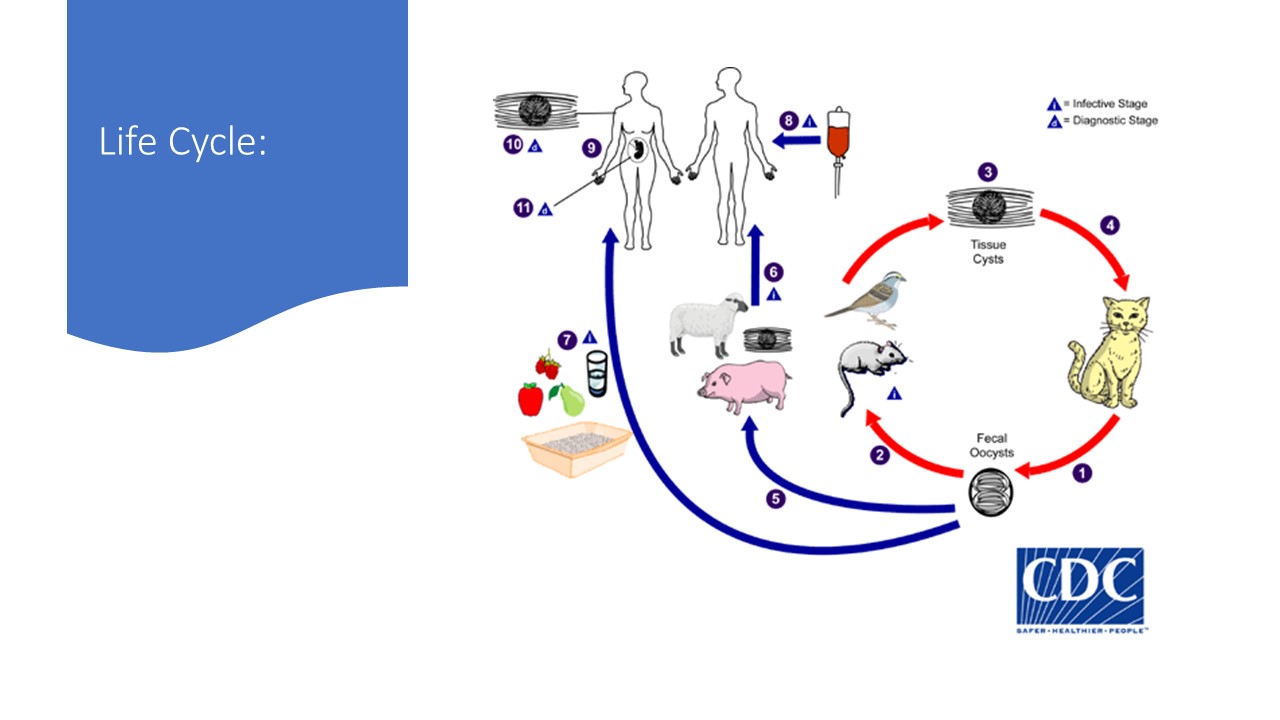
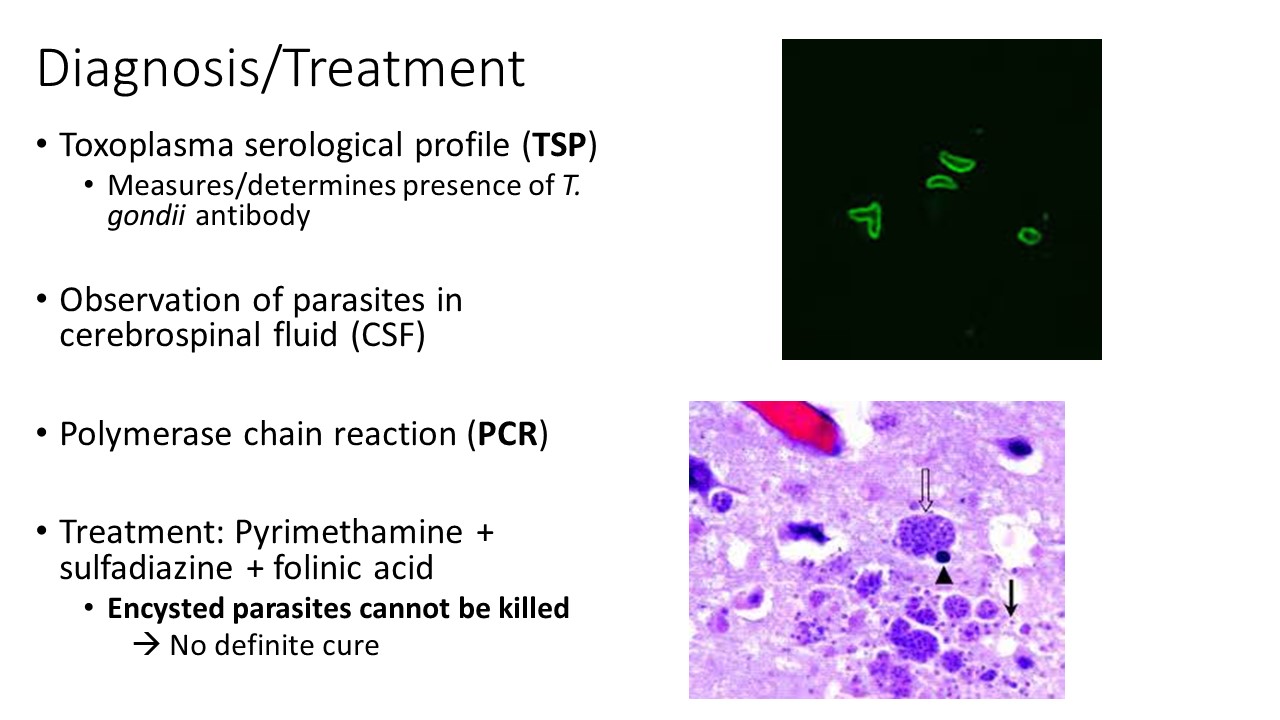
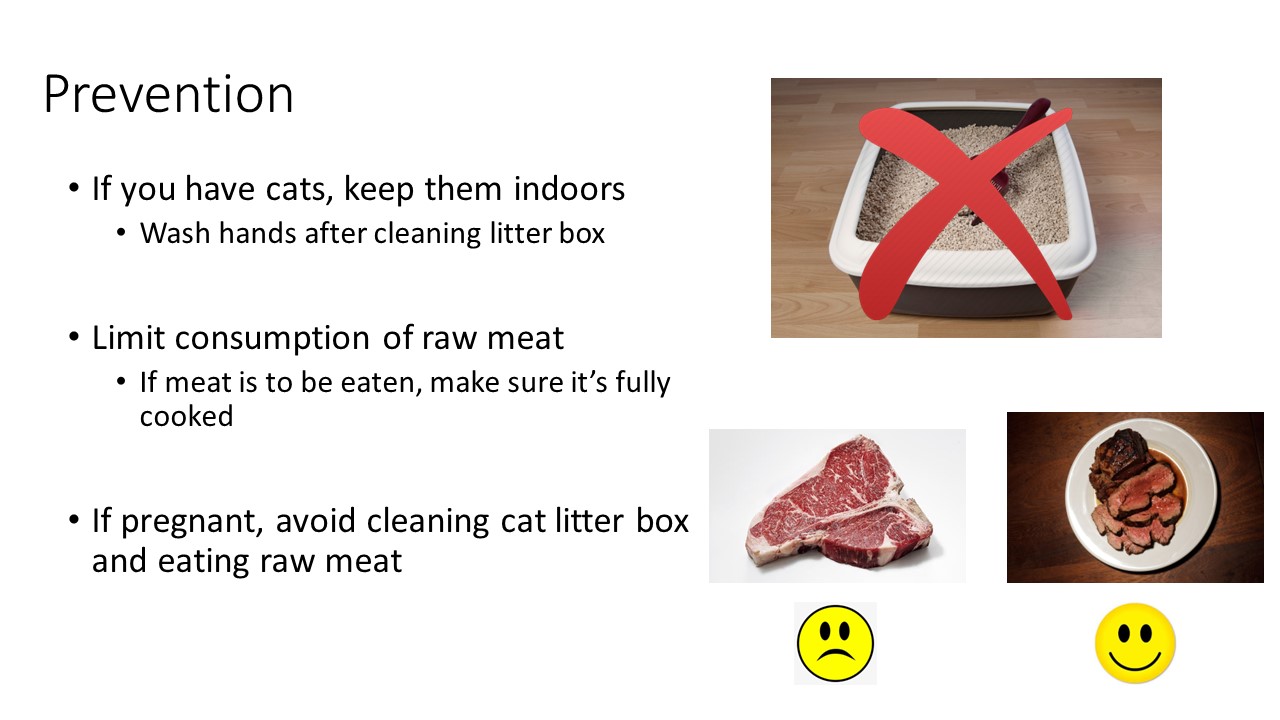
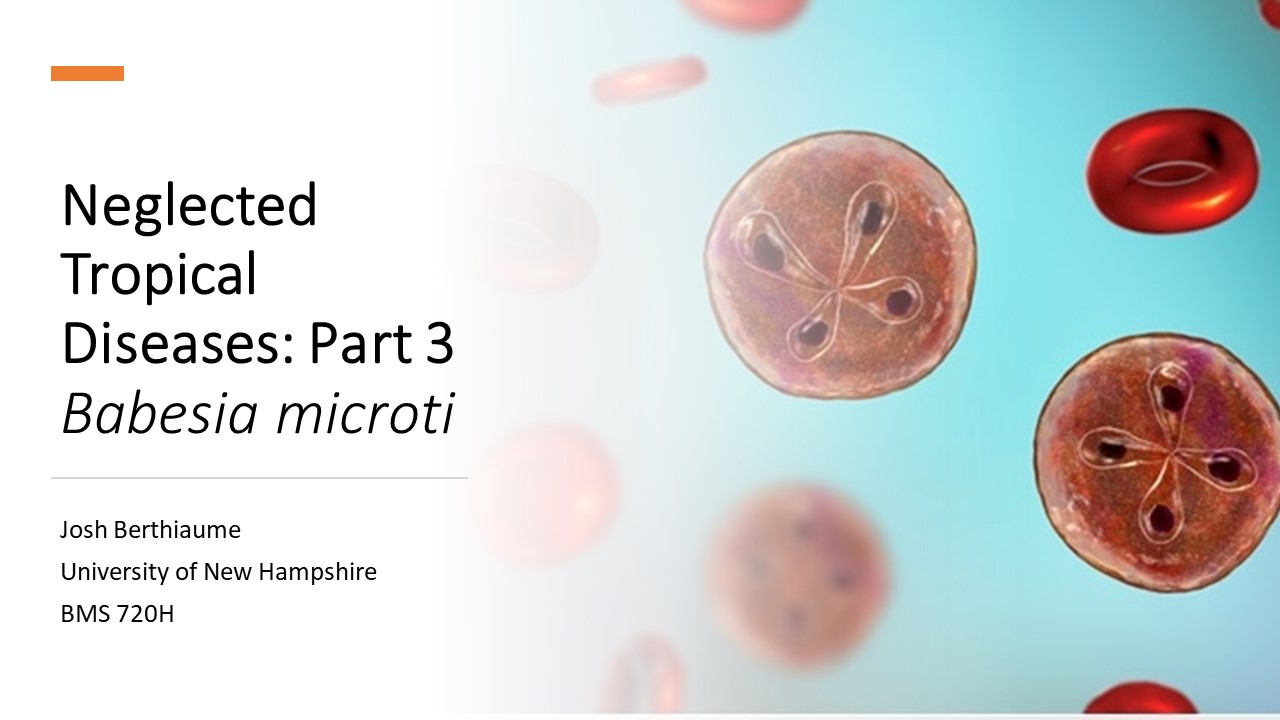
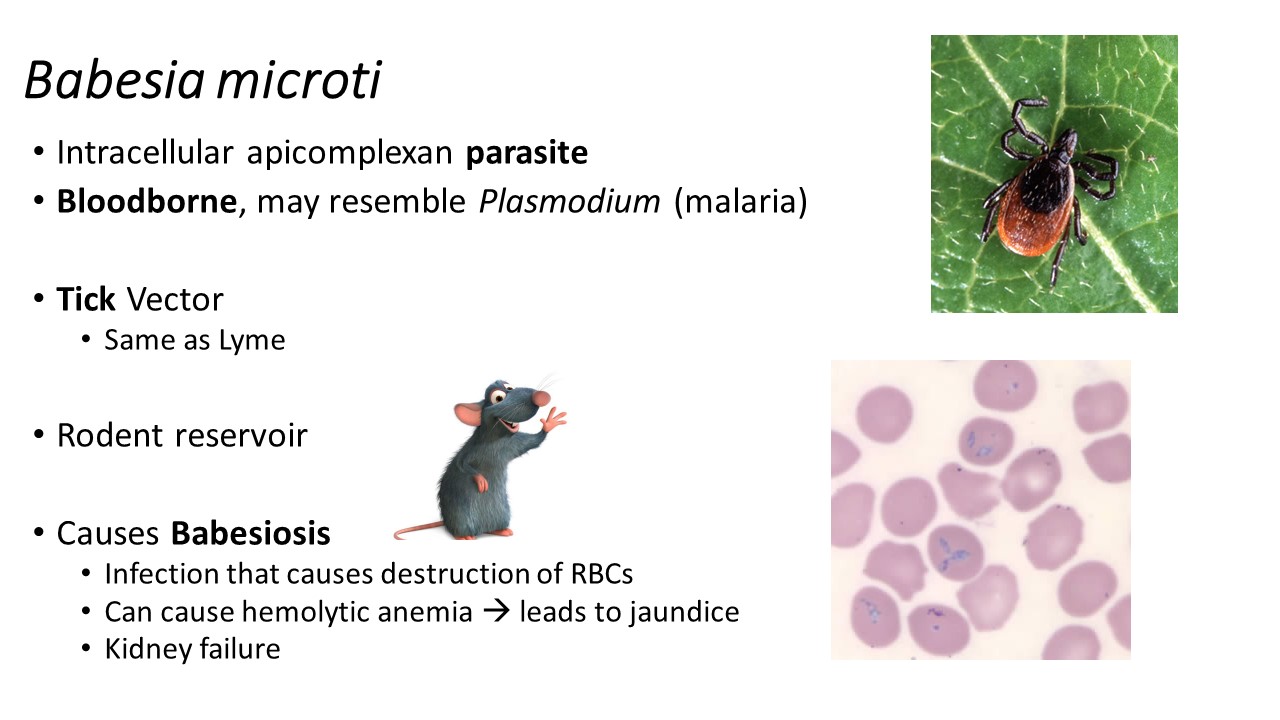
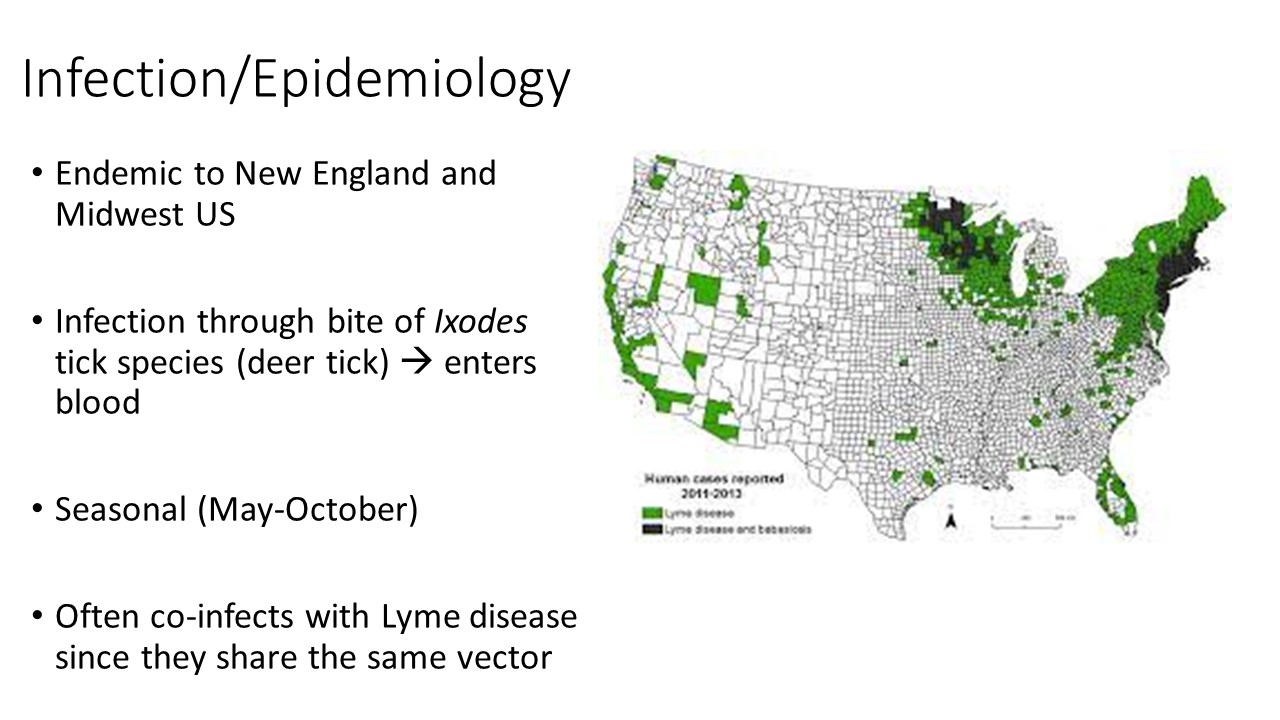
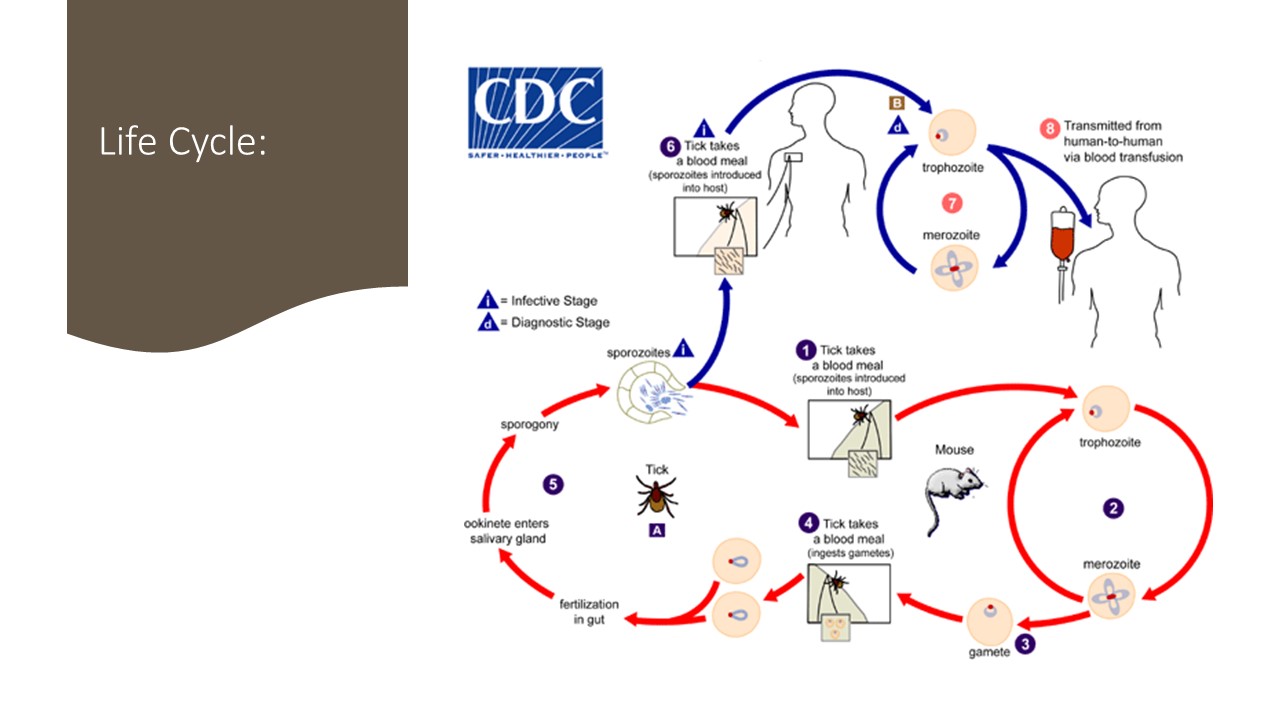
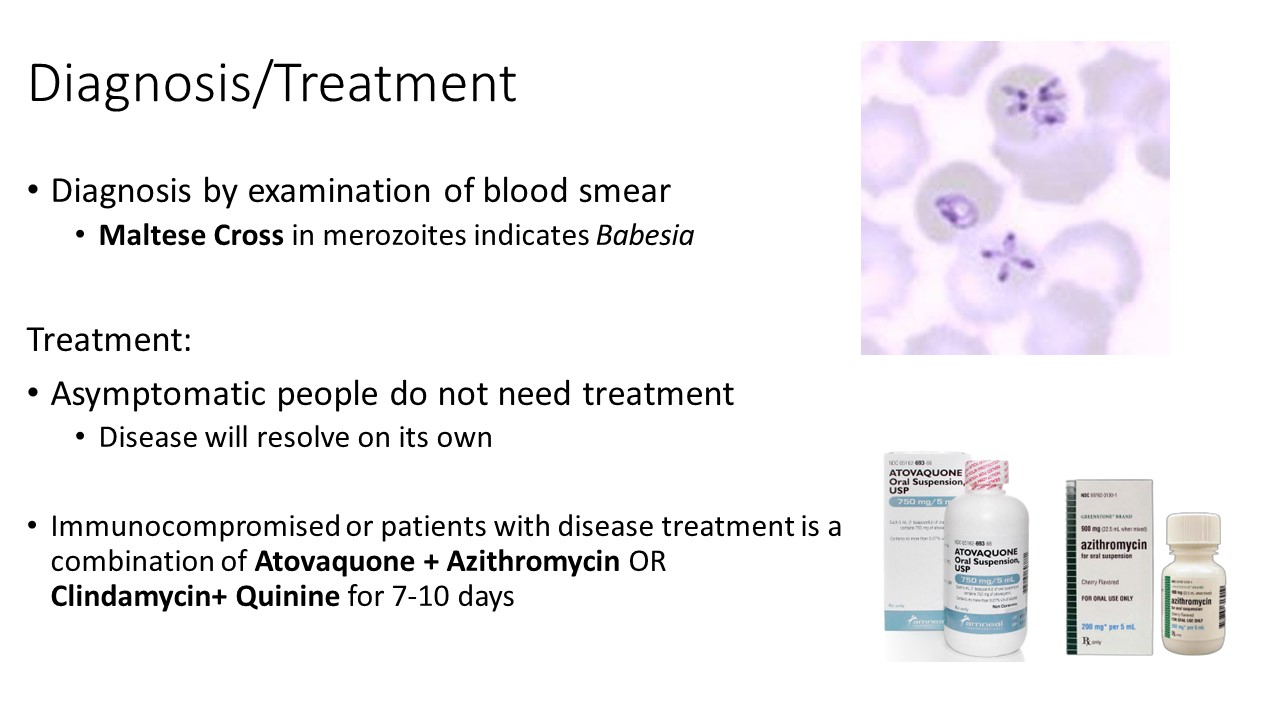
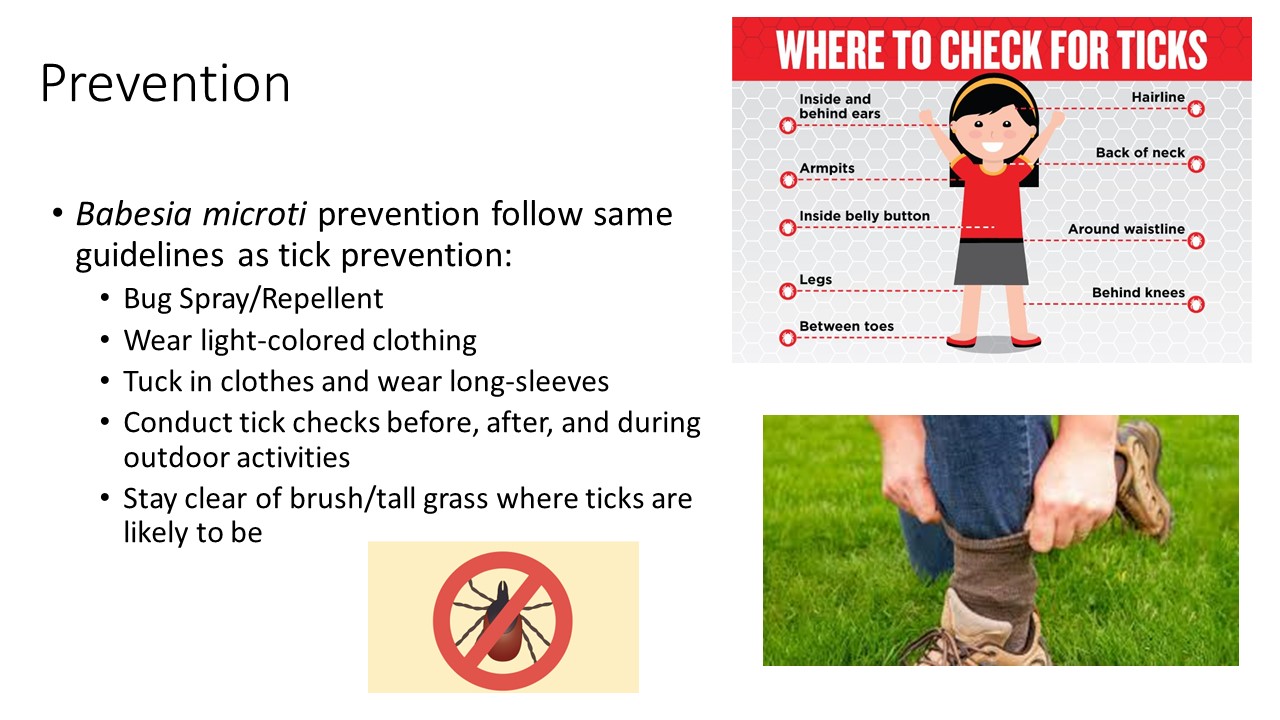
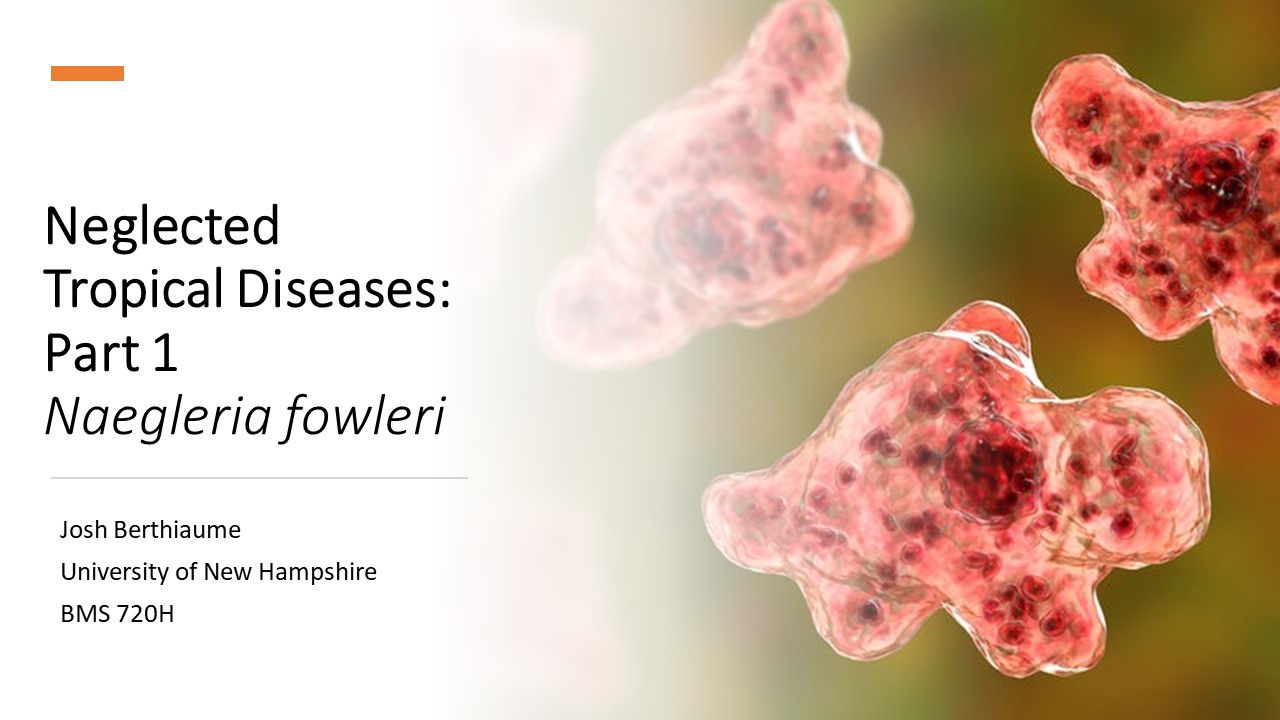
The following project was created by Josh Berthiaume, a student from the University of New Hampshire majoring in B.S. in Biomedical Sciences with a concentration in Medical Microbiology. Josh’s project explores the use of multiple social media platforms to promote NTDs awareness. Josh created a, educational TikTok account and a YouTube channel that explain various NTDs. The first entries in these accounts discuss the transmission, pathogenesis, treatment, and diagnosis of amebic meningoencephalitis, toxoplasmosis, and babesiosis.

YouTube channel: https://www.youtube.com/channel/UCsal2b85_rRXAlX3kN4q-pA/videos

TikTok:https://www.tiktok.com/@ntdawareness

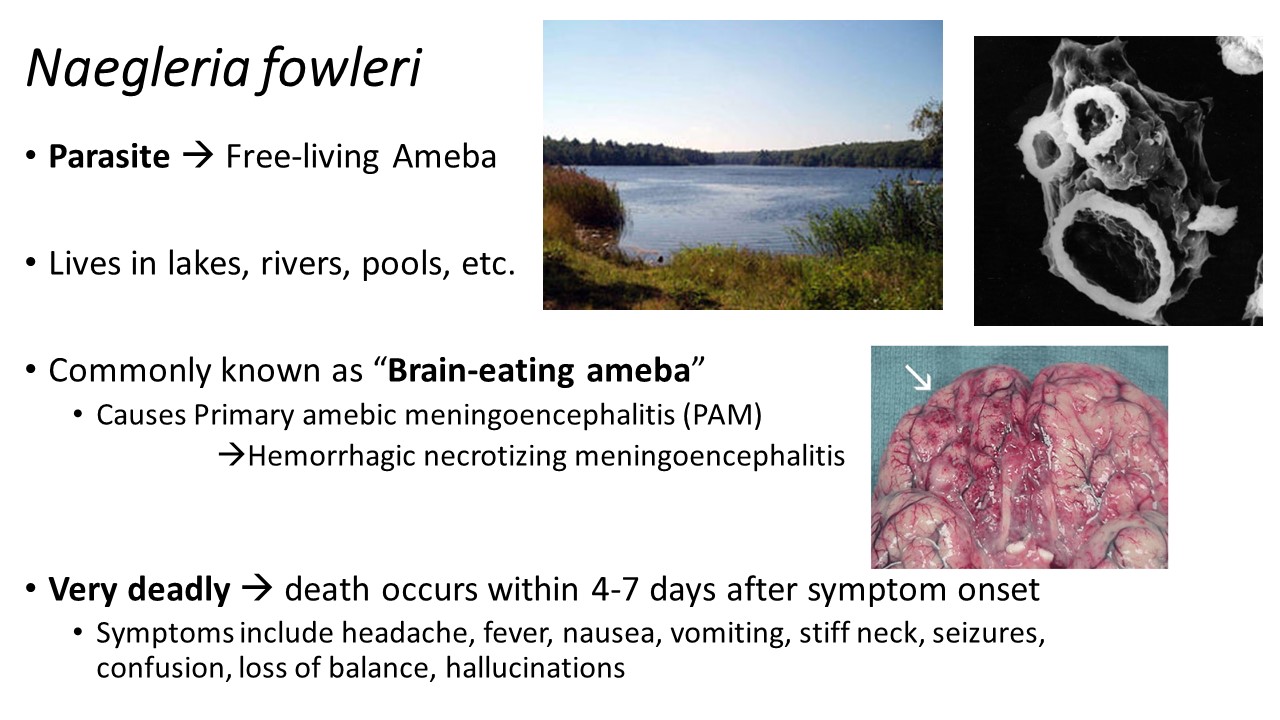
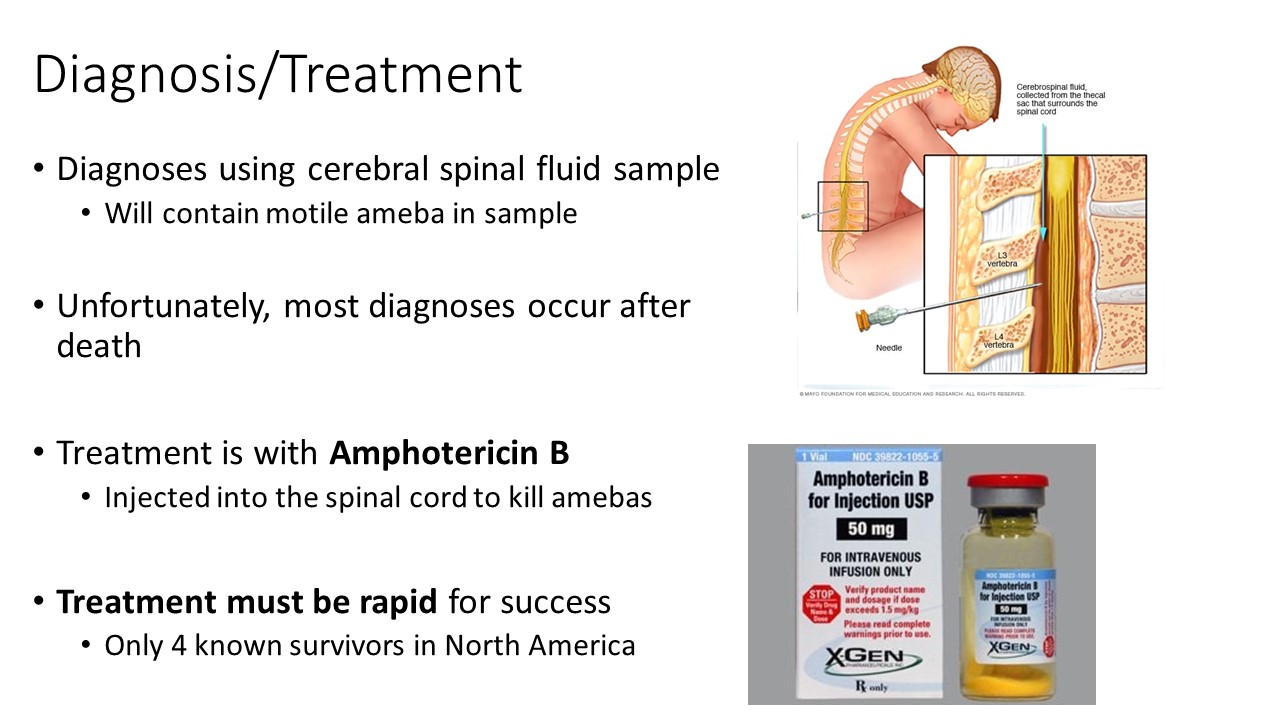
Amebic meningoencephalitis

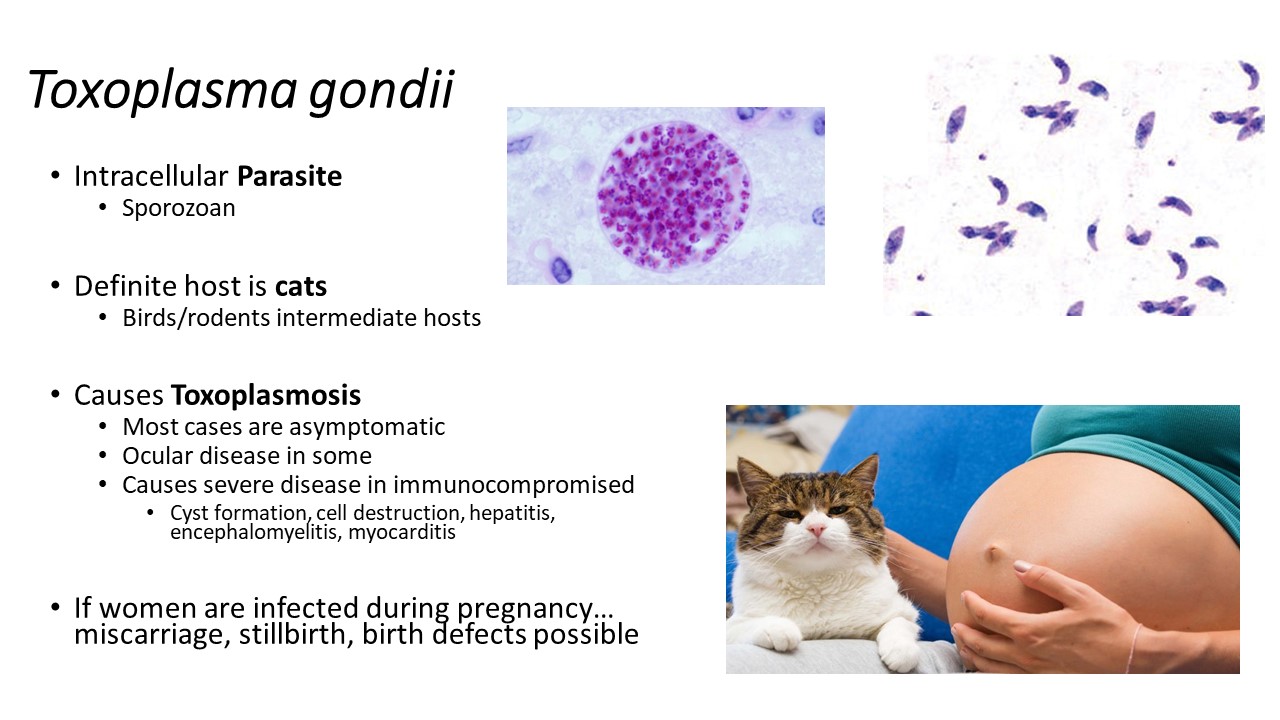
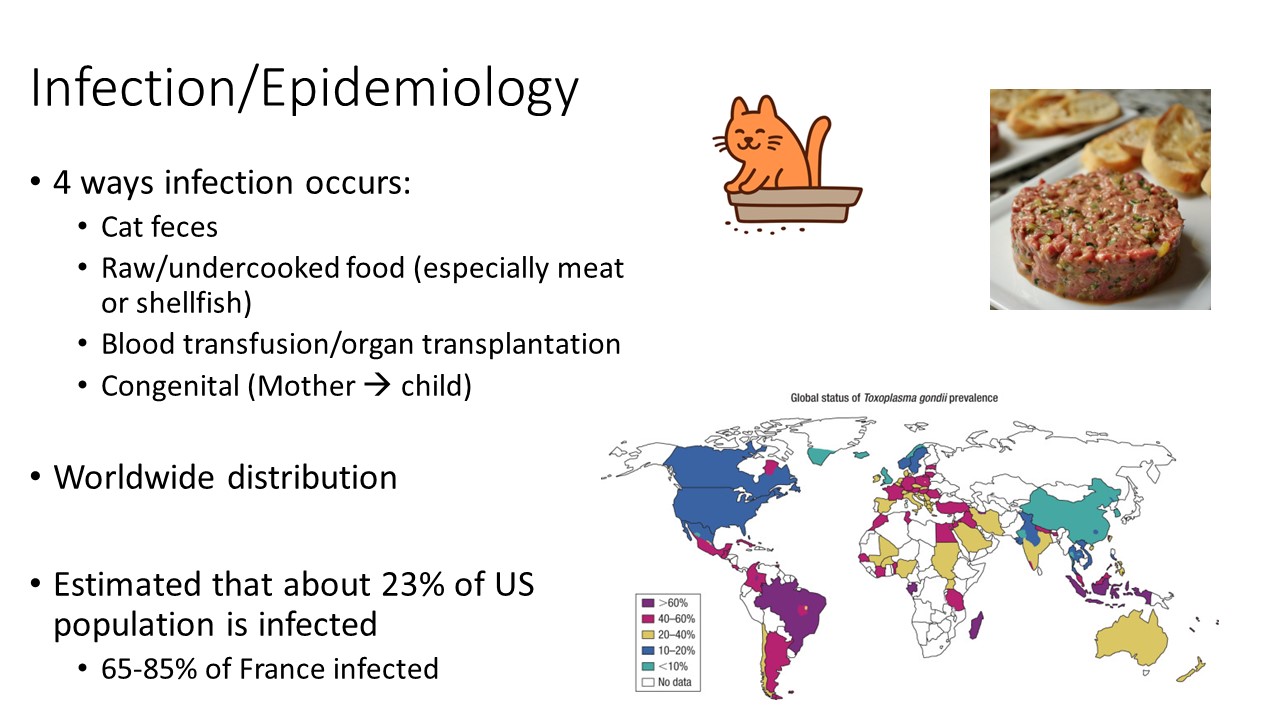
Toxoplasmosis

Babesiosis

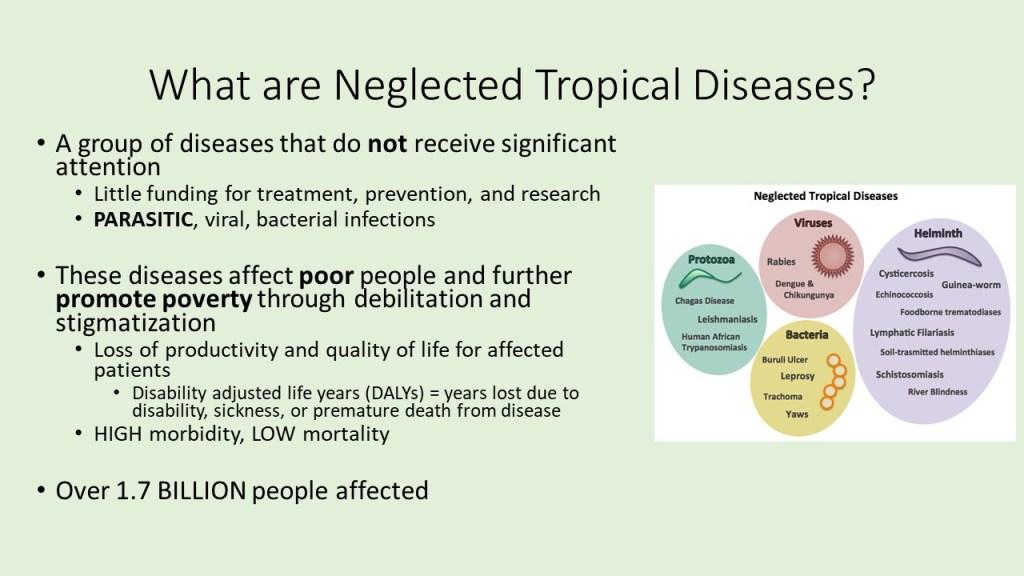
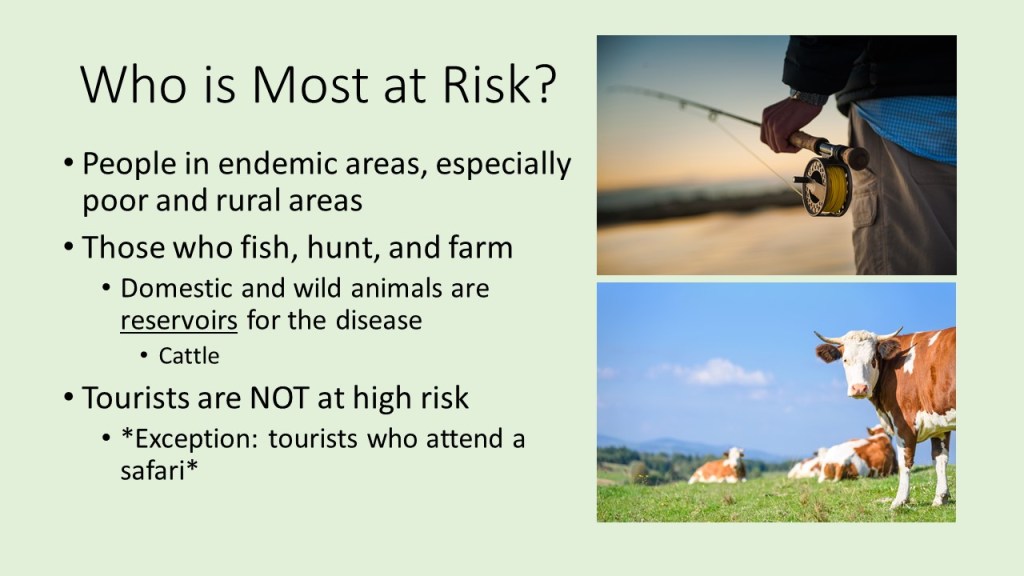
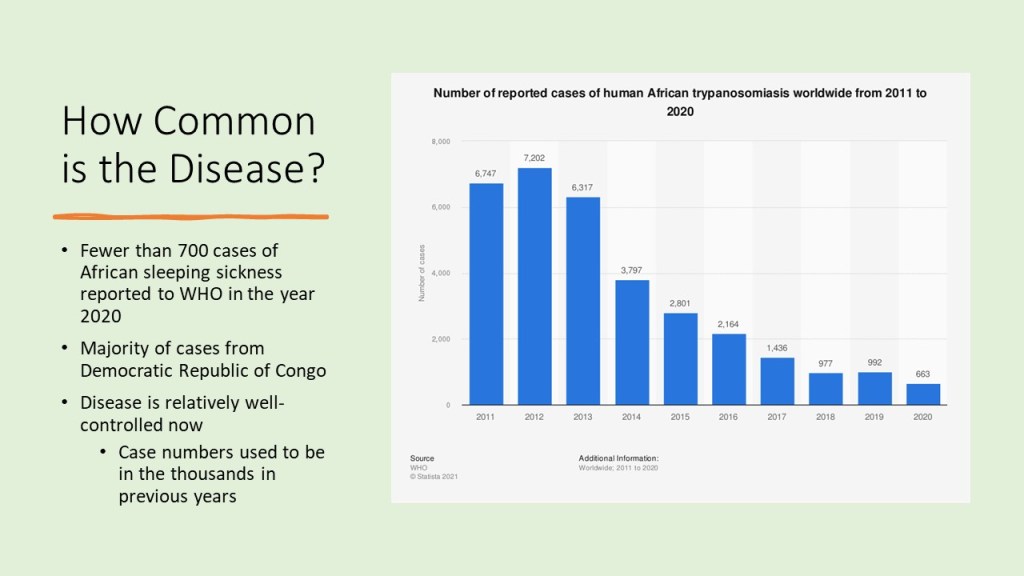
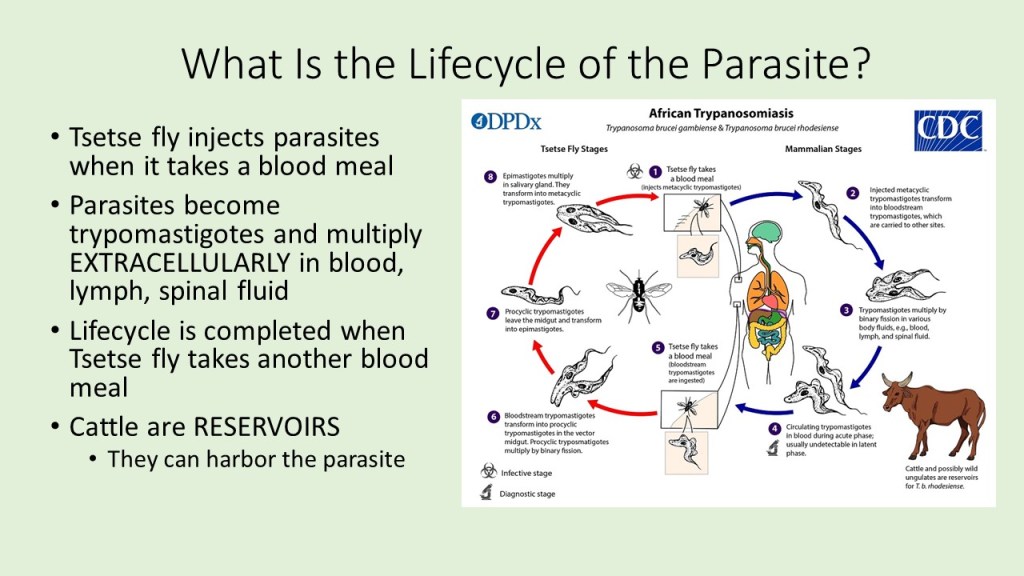
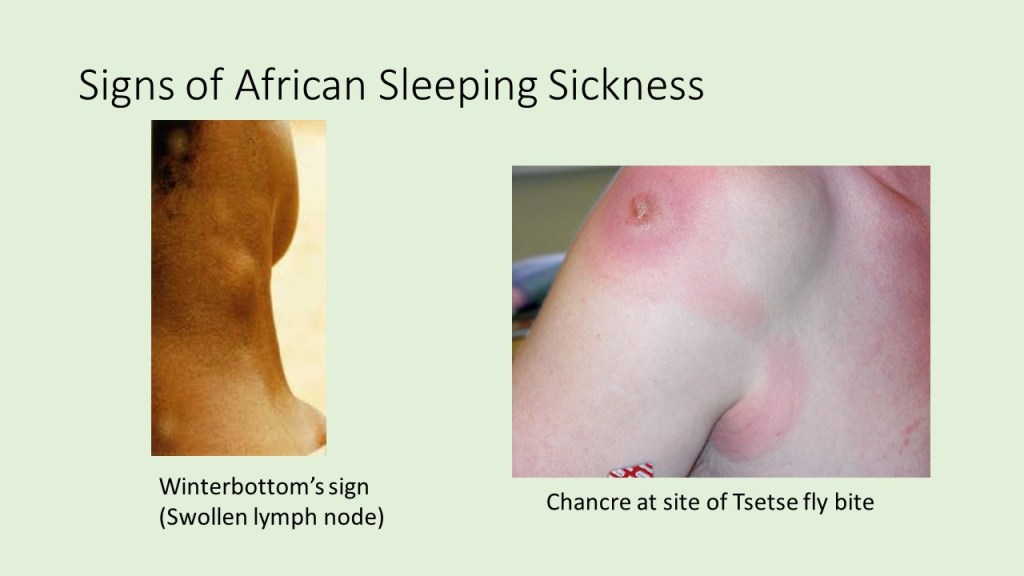
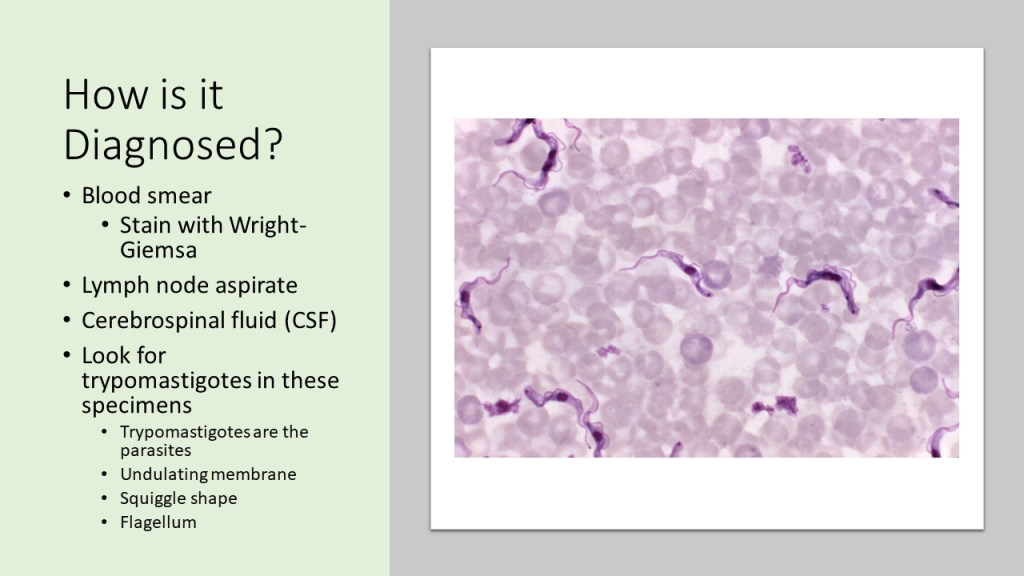
Sleeping Sickness

The following presentation was created by Megan Tyler, a student from the University of New Hampshire completing her B.S. in Biomedical Sciences – Medical Laboratory Science. Megan’s project summarizes key aspects in the pathogenesis, diagnosis, treatment, and prevention of sleeping sickness.

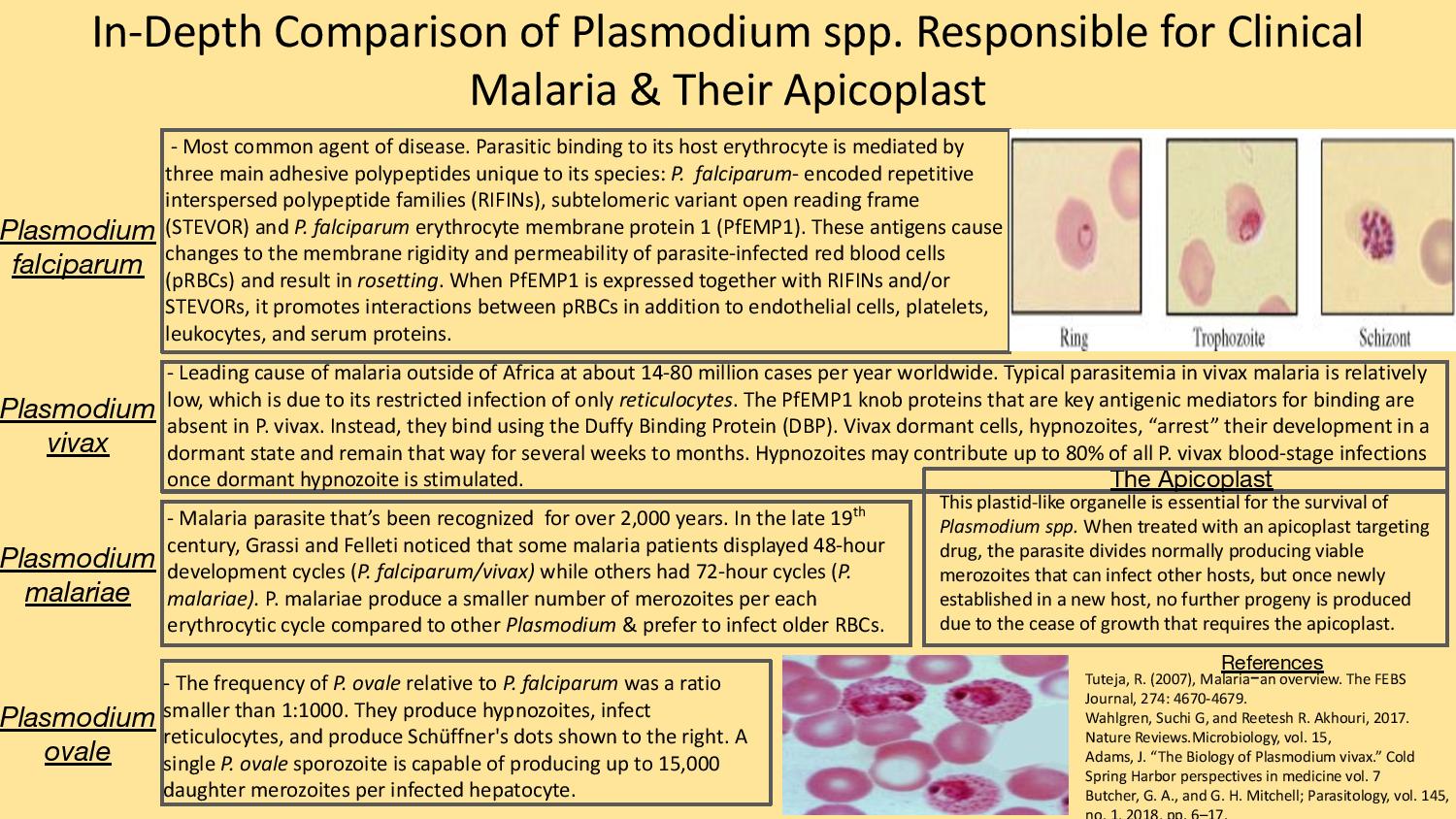
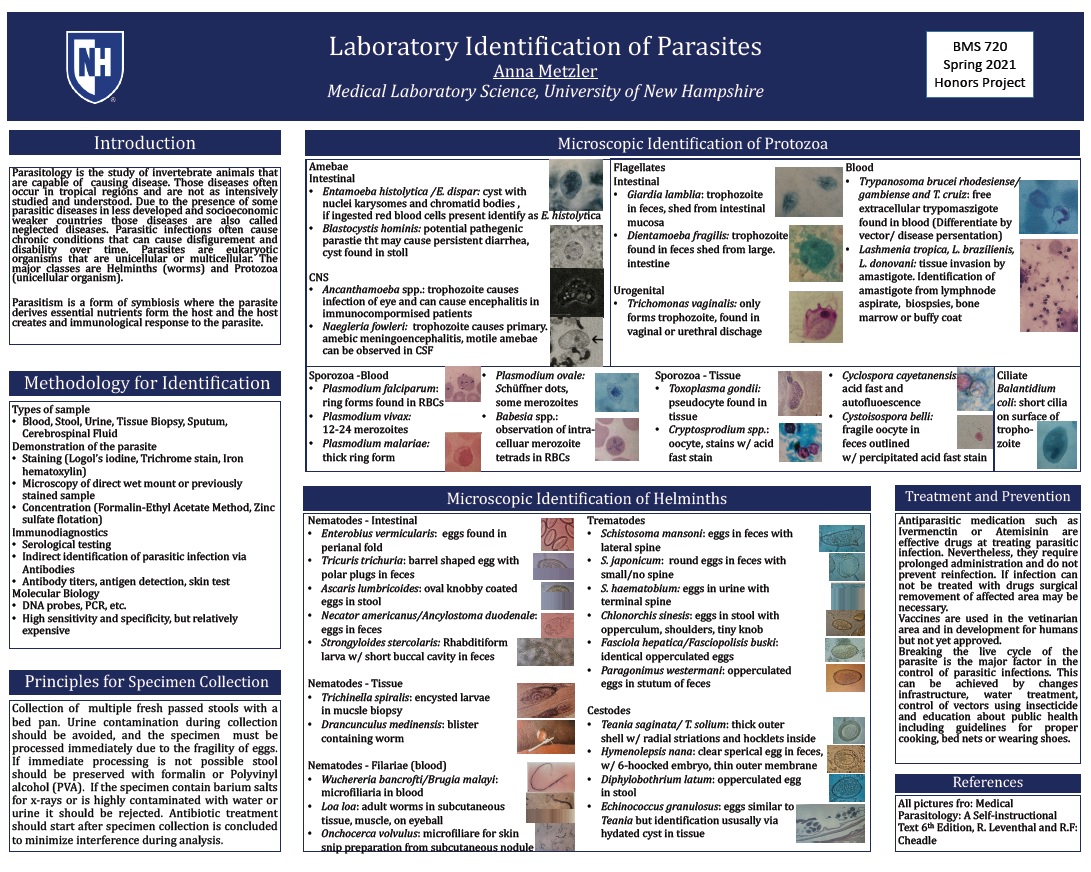
Microscopic Identification of Parasites

The following poster was created by Anna Metzler, a students from the University of New Hampshire completing her B.S. in Biomedical Sciences – Medical Laboratory Science. Anna’s project summarizes the key methods and microscopic characteristics of major human parasites.

Toxoplasmosis and Pregnancy: What You Should Know

The following entry was created by Julia Paquette, a students from the University of New Hampshire completing her B.S. in Biomedical Sciences – Medical Microbiology. Her project focused on promoting awareness of toxoplasmosis for expecting mothers. This presentation provides helpful information for future mothers on how to prevent toxoplasmosis.

This slideshow requires JavaScript.

Cruz: The Friend You Don’t Want

The following entry was submitted by Alyssa Greig, a student from the University of New Hampshire majoring in Biomedical Sciences – Medical Microbiology. Alyssa’s project focused on creating a short story for children to educate them about Chagas disease.

This slideshow requires JavaScript.

Neglected Tropical Diseases

The following entry was submitted by Katherine Anderson, a student from the University of New Hampshire majoring in Biomedical Sciences – Medical Laboratory Science.

Written by Katherine Anderson

BMS 720.H. May 2019

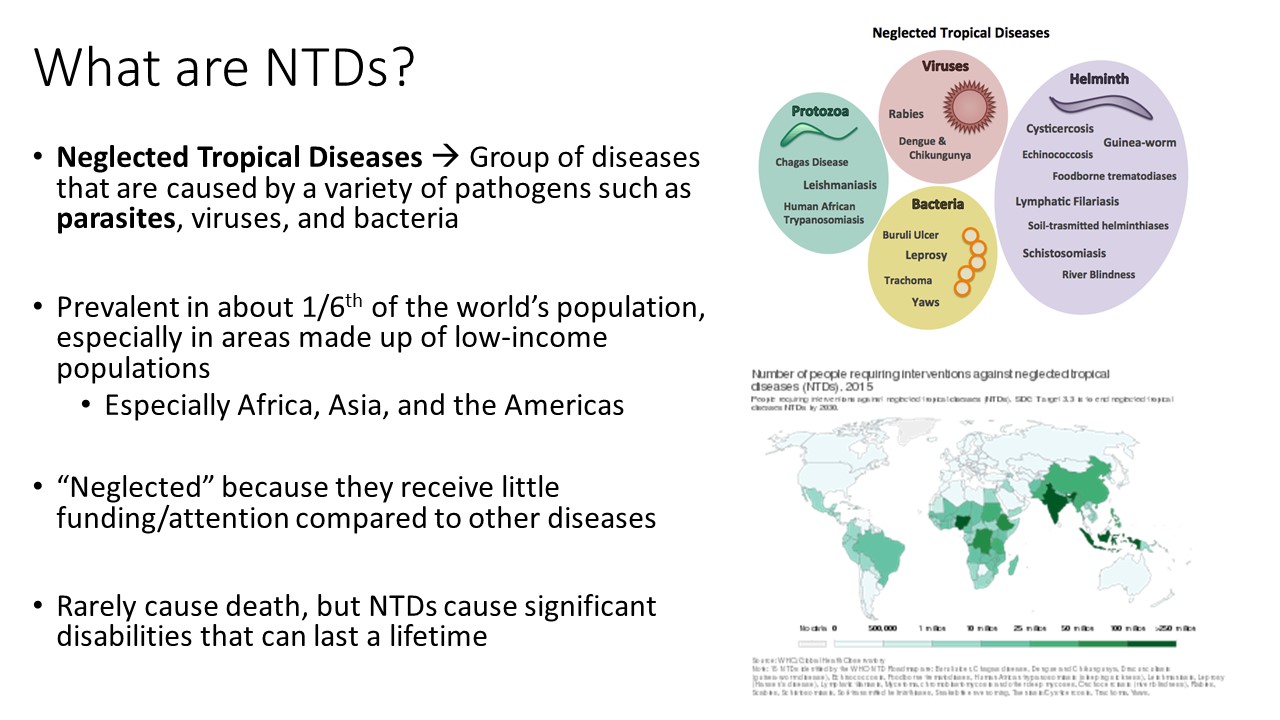
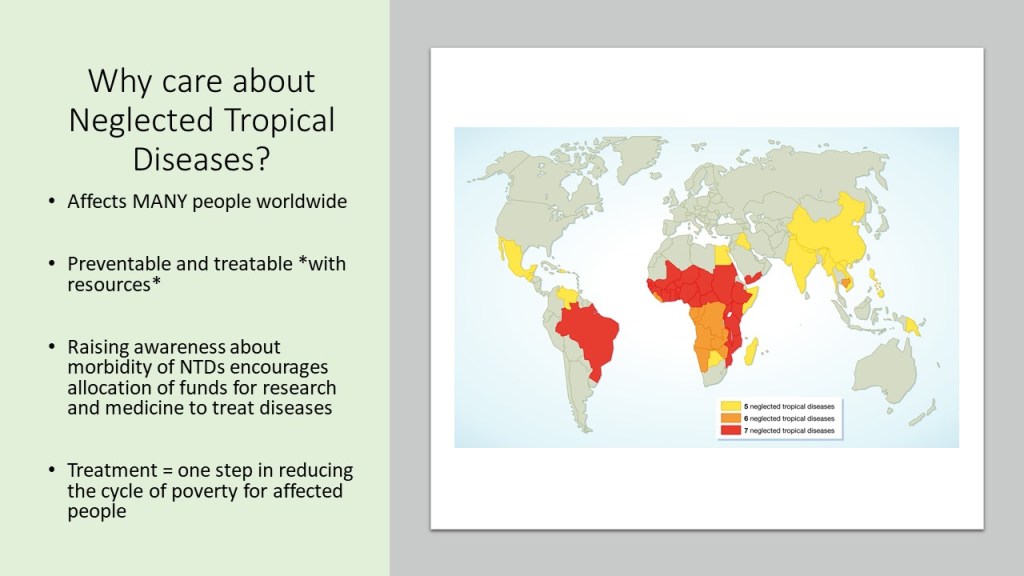
Neglected tropical diseases (NTDs) are a group of tropical infections that collectively represent a massive health and socioeconomic problem that is only recently being acknowledged by global health advocates (Hotez 5). As the name implies, these diseases are often overlooked by medical professionals since they only afflict certain parts of the globe, most of them being under-developed nations. Since NTDs flourish mostly in these areas and not in the developed world, research into treatment and prevention is often limited. It is because of this that NTDs are still a major health problem in some areas even though many of them could be eradicated with sufficient resources. The World Health Organization (WHO) has proposed a list of 17 diseases that are considered as NTDs. These include helminth (worm), protozoan, bacterial, and viral infections (Hotez 4). Helminth infections rank as the most prevalent of all of them, with Ascariasis and Hookworm infections topping the chart with estimated global prevalence of 800-900 million and 600-700 million respectfully. The regions of highest prevalence are the same for both of these diseases, affecting predominantly East and South Asia, Africa, and Latin America (Hotez 5). The viral infection Dengue follows these, infecting 50-100 million people predominantly from East and South Asia. The next most prevalent NTD that is of neither helminth nor viral origin is Trachoma, a bacterial infection in 20 million people predominantly residing in Africa, the Middle East, and Asia. Just below this on the list is the first most popular condition caused by a protozoan, Leishmaniasis. This disease is estimated to infect 10 million people globally, most from South Asia, Africa, the Middle East, and Latin America.

The pathogenesis of NTDs is often described as high in morbidity and low in mortality. This is referring to the fact that many NTDs cause serious chronic illness and disability, but do not cause death in the patient as often as other global threats with more attention in the medical community, such as HIV/AIDS. This can make it difficult to assess the full health impact of NTDs since there are no obvious metrics such as death toll to measure the devastation of these diseases. One approach to quantify this would be using disability-adjusted life years, or DALYs. This numerical data considers the number of healthy life years lost from either premature death or disability (Hotez 10). Since NTDs are trademarked by their ability to cause chronic, disfiguring illness, many of them have significantly high DALYs ascribed to them. In fact, when comparted to HIV/AIDS which has an annual total of 84.5 million DALYs, NTDs collectively have an annual 56.6 million. Although this number is still significantly smaller, it still shows how NTDs can be compared to some of the world’s most dangerous conditions. This figure also puts NTDs ahead of other more frequently studied diseases such as malaria (46.5 million DALYs annually) and Tuberculosis (34.7 million DALYs annually) (Hotez 10).

Elephantiasis is the most severe result of lymphatic filariasis (LF), a chronic infection caused primarily by the parasite Wuchereria bancrofti, which is endemic to much of Africa, Asia, and South America (Hotez 61). Although this illness is still a health concern for much of the developing world, there has been significant progress made toward the elimination, or the reduction of prevalence, of the disease. LF is transmitted upon infection of a person with infective larvae from a mosquito bite. Once inside the body, the larvae migrate over a period of several months to their destination, the lymphatics, where they develop into adult worms. These worms can live for years in the lymph vessels and produce microfilariae that continue to inhabit the blood and lymph and can cause blockages in the ducts and inflammation from the immune response leading to the swelling of the lymphatics. Over time the swelling progresses to a point where the limb and the skin covering it look like an elephant’s leg, thus the term elephantiasis. The swelling can result in a loss of mobility, which is a dramatic consequence for working people of the developing world who rely on their health to work in physically demanding jobs such as farming. It was this loss of mobility that also created a massive problem for U.S. troops fighting in the South Pacific during World War II. Approximately 38,300 soldiers were exposed to W. bancrofti during this time, and around one-third of them developed filarial fevers (Hotez 61). This led American scientists to become more interested in controlling LF and resulted in more effective drug treatments for the disease. In the 1950s and 1960s, Frank Hawking helped demonstrate that a compound known as diethylcarbamazine, or DEC, was very effective against the contagious stage of W. bancrofti. It was discovered that even though DEC did not affect the pathological adult stage of the parasite, it did lower the number of microfilariae among mass populations when it was distributed widely. This meant that the transmission step of the disease was interrupted and thus the prevalence of LF in the community decreased. Though this breakthrough was meaningful, it meant little until scientists overcame the challenge of convincing entire communities to take a preventative drug. It was Frank Hawking who thought to fortify dietary salt with DEC and distribute it amongst the population. This idea was adopted by the People’s Republic of China shortly after Hawking proposed it, and the result was blanket coverage of the nation with DEC-fortified salt and eventually the successful elimination of LF. Other countries also began to administer the drug as salt and in tablet form and saw great success. In fact, today 20 countries have eliminated LF through mass drug administration (Hotez 64). The continued success of DEC has encouraged more and more countries around the world to adopt a similar methodology when it comes to controlling LF, a promising ripple effect.

Dracunculiasis is another chronic infection that is caused by the parasite Dracunculus medinensis, also known as the guinea worm, which is endemic in the poorest areas of Africa, the Middle East, and Asia. Due to the efforts of the Carter Center in cooperation with the CDC, UNICEF, and WHO, the disease is nearly eradicated today. The larvae of D. medinensis survive in freshwater and continue development when they are swallowed by small crustaceans called copepods. Humans become infected when they swallow unfiltered or unboiled water containing copepods which harbor D.medinensis (Hotez 67). The larvae survive the gastric juices of the stomach and penetrate the gut in order to migrate to the connective tissue of the legs where they sexually mature and eventually dig through the skin in a painful blister. In an effort to seek soothing comfort from the burning sensation of the blister, the afflicted person will likely seek a water source to submerge their leg in, and this water is where the blister will rupture and the female adult worm will release thousands of larvae, continuing the life cycle of D. medinensis. The severe pain of the infection often leaves the individual incapacitated and unable to work. In villages where epidemics strike during a harvest or planting season, the agricultural productivity of the entire population would be severely affected (Hotez 68). The grave economic and health impacts of D. medinensis are only part of what made this disease an attractive target for eradication. In the early 1980s the world was ecstatic about the successful eradication of smallpox through widespread vaccination, the last naturally occurring case was recorded in 1977 and by 1981 the world was certified free of smallpox (Hotez 69). Eager to apply this success to other diseases, the CDC suggested dracunculiasis as a new target for eradication because of its relatively low prevalence, and the simple methodology that could be employed to reduce its effect on communities. The most effective strategies were health education and behavioral changes, like filtering water through cloth to remove copepods and avoiding public water supplies during active infection (Hotez 69). Once U.S. President Jimmy Carter began supporting the efforts to eradicate the disease, the world saw great progress in this goal. Resolutions were made to approach the disease by creating deep wells for water which were free of copepods, to filter drinking water, increase the quality of health education on the disease, and case containment and management of people already infected (Hotez 69). Over the last 25 years the Dracunculiasis Eradication Program or DEP has had incredible continued success in the 21st century, with only about 1,000 cases of guinea worm infection remaining worldwide (Hotez 70).

Despite the strides made to combat infection caused by W. bancrofti and D. medinensis, there are many prevalent NTDs that still devastate much of the world today. Many of these diseases could be eliminated fairly easily with health education and medication, but the world has yet to make substantial progress. This is due to the nature of the organisms that cause NTDs. The organisms are most often obligate parasites that can only survive in a living host. It is in the best interest of the parasite to keep its host alive for many years while it infects and extracts whatever it needs to mature and spread. The biology of these parasites is what leads to the trademark chronic and debilitating symptoms of NTDs. In the case of lymphatic filariasis, for example, the swelling of the limbs is so great over time that mobility can be nearly impossible for the infected individual. It is because of this chronic nature of tropical diseases that we can analyze the neglect the world has for them on an increasing scale from local to international proportions. In areas where NTDs are common there are stigmas associated with debilitating disease that make it difficult for people to seek treatment if they are worried about keeping jobs that involve a great deal of mobility, like those in agriculture or construction. A worker in a developing country who makes barely enough in wages to feed their family is unlikely to acknowledge their disease and seek treatment that may not be readily available to them if they are worried about to making it to work every day. When this person ignores their infection, it can eventually reach a point when the damage is too great and they are either permanently debilitated or now face disabilities that require an extensive treatment to resolve. In the case of a manual worker, the financial consequences to these kinds of diseases are extremely difficult. In the case of a rural village that depends on the export of crops and the people who cultivate them, parasitic outbreaks can drastically affect the economy. Essentially, the outbreaks make poor communities even poorer and therefore limit their resources and funding. The poorest areas of the world are often the most neglected by their nations and subsequently by the rest of the world. Additionally, since NTDs cause damage chronically and are not well quantified by death toll, global health agencies often overlook the seriousness of these conditions. Looking at NTDs in terms of lives taken, the numbers are not as impressive when compared to Tuberculosis or HIV/AIDS. Agencies like the World Health Organization (WHO) have more often spent their time and resources fighting diseases with greater rates of fatalities because those are the more measurably profound threats.

One of the most serious NTDs that is widely neglected in the public health sector is cysticercosis, a parasitic infection that causes seizures and other long-term neurological symptoms. It is acquired via ingestion of Taenia solium in raw or undercooked pork meat (Hotez 170). Following ingestion of the parasite encysted in the muscle tissue of the infected pig, immature larvae of T. solium will migrate to the intestinal wall where they attach and grow into adult tapeworms. Adult worms are shed in segmented parts filled with eggs in feces, and the infection can be spread from person to person through fecal-oral contamination that enables the ingestion of these eggs. After the eggs are ingested, larvae invade the walls of the digestive tract and enter the circulatory system where they are free to spread to the muscles and the brain, where they form cysts and cause neurocysticercosis (Hotez 170). Cysts in the brain can cause seizures, encephalitis, hydrocephalus, and many other neurological complications. After a diagnosis from radiographic imaging the most effective treatments are anticonvulsants and anti-parasitic drugs like albendazole. Cysticercosis is currently endemic to much of Mexico and Central America, and it is starting to become a health concern in the Southern United States due to a large influx of Hispanic immigrants. Today, an estimated 1,000 to 2,000 new cases of neurocysticercosis are diagnosed annually, making it one of the leading causes of epilepsy in the United States (Hotez 170). This number may even be higher, however, since it has only been within the last few years that states have mandated reporting at all (Hotez 170). There have been many estimates on the prevalence of this condition in the United States, which are based mostly on the number of rural Hispanic immigrants living in the United States. The conclusion is that southwestern U.S. cities with large Hispanic populations tend to have many more reported cases than normal for these areas. For example, neurocysticercosis is now the cause of 10% of all seizures and 10% of neurology neurosurgery admissions to numerous emergency departments in Los Angeles. The large number of possible cases of cysticercosis suggests there is an urgent need for better surveillance and treatment (Hotez 171). I and they ensure that their seal of approval on pork meat indicates safety from organisms like Trichinella spiralis, Escherichia coli, Salmonella, Staphylococcus aureus, Yersinia enterocolitica and Listeria monocytogenes. Currently on the USDA’s watchlist there are no indications or warnings of the dangers of T. solium in pork meat (2). Enhanced efforts on the education and awareness of cysticercosis could make a crucial difference in preventative care. Another control method could be the investment in better diagnosis practices and treatment. Right now, the only such practices for neurocysticercosis are radiographic imaging, which is costly and not practical for America’s poorest populations. This diagnostic strategy is not ideal especially when considering how many imported cases occur in the United States every year. Many people immigrating from Central America could be bringing the infection along with them that was acquired in their country of origin, but without low cost screening for T. solium, the U.S. is left vulnerable to the risk of the infection spreading through this individual. Once the infection spreads and people receive a diagnosis of cysticercosis, the drugs we use to combat the infection are mostly anticonvulsants, which target only the symptoms of the disease and not the causative agent itself. These drugs do not help in the disease progression but rather mask the dangerous effects of it. Research into the formation of T. solium cysts does not provide many answers for a patient who already has them since we currently have no way of removing or reversing them. More widespread education, prevention, and more targeted and informed diagnostic strategies and treatments are methods that have been successful for NTDs in the past and could work for cysticercosis too with enough determination from the health care leaders of the world.

Despite the widespread devastation that neglected tropical diseases bring to the world’s poorest populations, they are largely still fitting of their title. The chronic and debilitating effects that these infections cause is just the beginning of their course, which often leads to financial burden to the individual and in some areas even economic turmoil for the community. Even with the success stories of NTDs like lymphatic filariasis and guinea worm that have largely been eradicated through means of relatively low cost, there remain many parasitic infections that go unnoticed by the world’s leading health agencies. It is these agencies, however, that could make a real difference in the fight against NTDs in the developing world and could help save years of people’s lives.


Works Cited


“Fresh Pork from Farm to Table.” Food Safety and Inspection Service, United States Department

of Agriculture, 6 Aug. 2013, http://www.fsis.usda.gov/wps/portal/fsis/topics/food-safety-education/get-answers/food-safety-fact-sheets/meat-preparation/fresh-pork-from-farm-to-table/ct_index.


Hotez, Peter J. Forgotten People Forgotten Diseases: The Neglected Tropical Diseases and

Their Impact on Global Health and Development. 2nd ed., ASM Press, 2013.


Neglected Tropical Diseases: Abundant, Yet Ignored

The following entry was submitted by Morgan Baumgartner, a student from the University of New Hampshire majoring in Biomedical Sciences – Medical Microbiology.

Written by Morgan Baumgartner

Debilitating. Prevalent. Preventable. Neglected. One of these words is not like the other. Why would diseases that can be described by the first three terms also be described by the last? Why should infections that inflict millions of people globally be ignored by the majority of the world? Is it because these diseases inflict only the poor, the forgotten, and those that have been swept under the rug? There are an infinite number of diseases that may be cured if more fortunate people did not turn a blind eye to the suffering of their less wealthy brothers and sisters. Although these ailments may seem to overwhelm poorer areas of the world, global cooperation, compassion, and commitment to helping others can help shed light upon and eradicate neglected tropical diseases.

  1. Neglected Tropical Diseases: An Overview

“It is a trite saying that one half of the world knows not how the other half lives. Who can say what sores might be healed, what hurts solved, were the doings of each half of the world’s inhabitants understood and appreciated by the other?” – Mahatma Gandhi

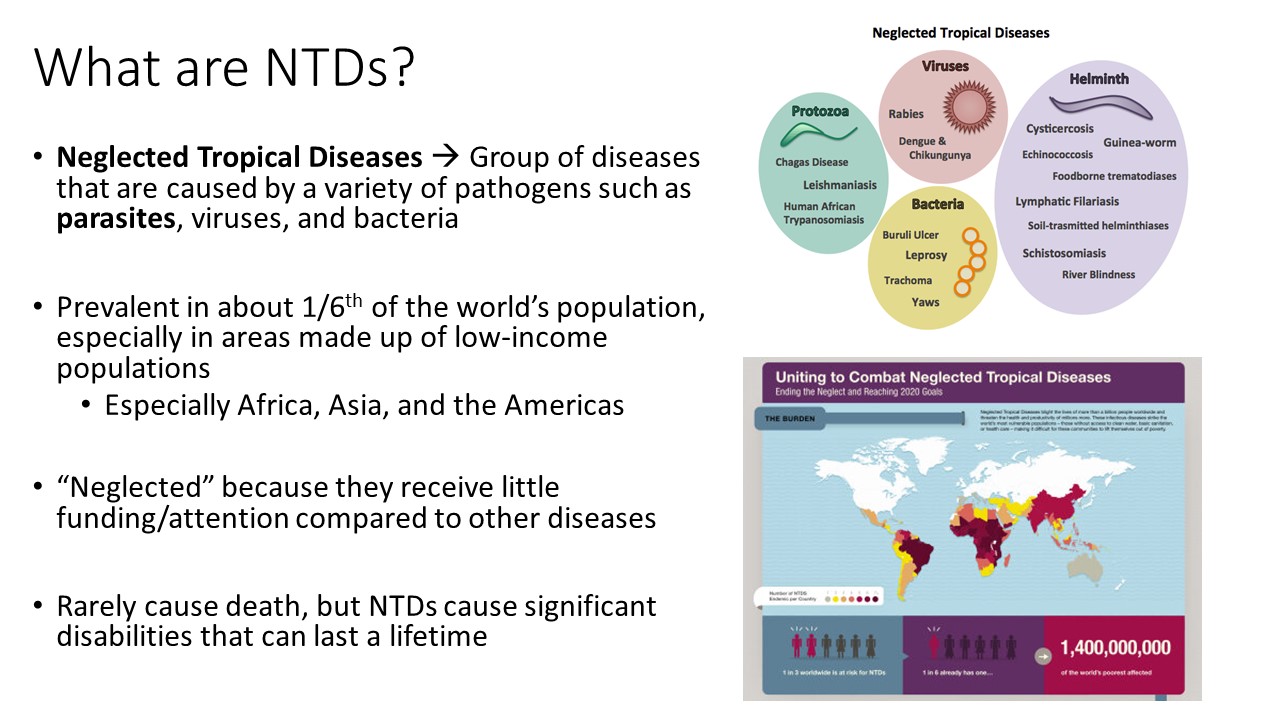
Neglected tropical diseases, or NTDs, are not the typical diseases that the everyday person hears about on the news. They are classified as a group of communicable infections that are common in tropical and subtropical regions (WHO, “NTDs”). More than one billion people are inflicted globally and these diseases are primarily found among impoverished people living in rural communities of developing countries. Worldwide, 149 different countries are affected by at least one NTD, with many countries harboring seven or more NTDs endemically (CDC, “NTDs”). Since these infections are common among the poorest of the poor and are out of sight and out of mind, NTDs are not given the proper attention by governments and global agencies that they need. Thanks to the help of the Bill and Melinda Gates Foundation, The Carter Center, George Clooney, Oprah Winfrey, and other big names, however, the NTDs have received the global publicity required to address the problems that they are causing in the world’s poorest people.

Since 2005, the World Health Organization has identified seventeen of the most prevalent, core NTDs. These are classified by their causative agent, how and where the disease develops, and where they are most commonly found. The core NTDs are split into four major groups based off the agent of disease: helminth (worm) infections, protozoan infections, bacterial infections, and viral infections. The helminth infections are further divided into soil-transmitted helminth infections and other helminth infections, which include transmission by snails, water, and food. Within each of the broad classifications, there are groupings of each organism by pathogenesis, as well. For example, helminth infections include a subclass of filarial infections, which cause disease in the blood and lymph. Examples of these infections include Wuchereria bancrofti, a causative agent of elephantiasis via mosquito, and Onchocerca volvulus, the causative agent of River blindness via blackfly. Although these pathogens are both parasitic worms, they infect humans with different vectors and cause separate diseases in dissimilar areas of the body. The many ways that the NTDs can cause infection and their varying life cycles make it important for study and classification of each one to be established.

The NTDs can also be differentiated by where they are most commonly found. For example, Leishmaniasis, which is caused by protozoan Leishmania spp., can be diagnosed based on where in the world the infection is found. Leishmania tropica, for example, is most commonly found in the Middle East and South America, causing cutaneous lesions. Knowing the demographic of this disease helps differentiate which cutaneous NTD is causing a patient’s symptoms. Leismania brazilienses, on the other hand, causes mucocutaneous infection in Brazil and surrounding countries and Leishmania donovani causes visceral leishmaniasis in Sudan, Inda, and Nepal, which is a way that these three species can be distinguished (Bessat). Another example of differentiation by global distribution is with Hookworm infections, which are a type of soil-transmitted helminth infection. The two Hookworm species are Necator americanus and Ancylostoma duodenale. Both worms and their eggs look almost identical under light microscopy of fecal samples, therefore making them hard to differentiate (Hawdon). However, N. americanus is prevalent in the “New World”, or the Americas, whereas A. duodenale is more commonly found in Africa, or the “Old World.” Knowing where the NTDs are commonly found is a helpful categorization tool that is used for epidemiological tracking and diagnosis of disease.

Although the NTDs are all different and can be classified by varying means and modes of infection, there are many overlying characteristics that they share. The eight major attributes that all NTDs possess are: high prevalence, linkage to poverty and rural areas, non-emergent diseases, causes chronic conditions, source of disability and loss of healthy life years, low in mortality, ostracizing, and poverty-promoting. The symptoms of NTDs cause developmental problems in humans, ranging from mental and physical disabilities in children to debilitating deformities in adults (Hotez). This perpetuates the vicious cycle of poverty by decreasing access to education and healthcare in already disadvantages people, preventing them from making better lives for themselves and their families. The physical and economic impacts all NTDs share make it pertinent for the global community to take a stand and fight to end the burden of disease on the billions of infected people.

  1. High in Morbidity, Low in Mortality

“A civilization is judged by the treatment of its minorities” – Mahatma Gandhi

As discussed previously, NTDs affect many people around the world, especially those in poorer countries. These NTDs are chronic diseases that cause disability and disfigurement, thus inhibiting many people from making lives for themselves and removing themselves from the impoverished areas that they live. For example, filarial elephantiasis caused by W. bancrofti and Brugia malayi leads to debilitating chronic disease in an estimated 40 million people in over 39 endemic countries (Yimer). It is considered as one of the most disabling diseases that effects mostly poor and marginalized people, causing permanent damage in the lower extremities (Yimer). Infected individuals experience extreme edema, painful lymphadenopathy, and restricted ability to use their legs due to swelling (Yimer). Not only does this disease affect people physically, but it causes them to be ostracized from their families and friends, lose job opportunities, and leads them to resort to begging on the streets. However, it does not cause death in the individual immediately, resulting in a chronic disease that decreases any infected persons’ quality of life greatly.

The case of filarial elephantiasis is not alone in its physical and socioeconomic impact. Hookworm infections, which have a prevalence of around 600-700 million cases, cause associated iron-deficiency in 146 million individuals with the disease (Bartsch). The effects of anemia are well known in both children and adults – motor and cognitive delays, pregnancy complications, depression, heart problems, and increased risk of infection due to immunosuppression from the disease (NIH). Chronic schistosomiasis, which is a urogenital and intestinal disease caused by Schistosoma spp., is associated with anemia, poor school performance, reduced productivity, and malnutrition and growth impairments. Onchocerciasis, caused by O. volvulus, is a disease that produces a serious stigmatizing skin disease as well as visual impairment and blindness in approximately 800-thousand people.

Although billions of people are affected by NTDs, only approximately 530-thousand individuals die annually of any complications related to their infections. This leads to less of a focus on the NTDs because people are not actively dying. However, this does not mean they are not being effected negatively. The disability-adjusted life years, or DALYs, consider the number of healthy years lost from premature death or disability due to disease. NTDs are estimated to have 56.6 million DALYs annually, despite having such a low mortality rate. Filarial elephantiasis causes 2.8 million DALYs annually (GAHI), hookworm infections alone account for approximately 3.5 million of those DALYs (Bartsch), and schistosomiasis accounts for another 3.3 million DALYs itself (GAHI). Even though the number of DALYs caused by NTDs is more than the DALYs generated by tuberculosis and malaria, which are 34.7 and 46.5 million respectively, NTDs do not receive global attention due to their low mortality. Although not many lives are being lost as in the case of malaria and tuberculosis, NTDs take away many healthy, livable years from infected individuals that may help them get out of the cycle of poverty that they are trapped in.

  1. Learning by Example: Dracunculiasis and Yaws Eradication Efforts

“Medical science has proven time and again that when the resources are provided, great progress in the treatment, cure, and prevention of disease can occur.” – Michael J. Fox

As this quote above states, not all hope is lost when it comes to finding a way to stop the persistence of NTDs in impoverished nations. Two very successful cases involving the control and near eradication of NTDs are the multilateral work done by the Carter Center and other global organizations to help end Dracunculiasis and the World Health Organization strategy to eliminate Yaws.

Perhaps one of the greatest-known success stories is that of the near eradication of Dracunculis medinensis, the causative agent of dracunculiasis, otherwise known as Guinea Worm infection. In 1986, dracunculiasis affected more than 3.5 million people annually in over twenty countries across Africa and Asia (Carter Center). It is contracted through ingestion of water infected with copepods carrying D. medinensis roundworm larvae. Once inside of the intestine, the larvae mature and burrow their way into the skin of the lower extremities, where they cause an intense burning sensation and blister. To relieve discomfort, infected individuals place their leg in water, which releases the worm’s larvae into the water to begin the life cycle of the parasite again.

The traditional mode of treatment for Guinea Worm infection was by slowly pulling the roundworm from the lesion by wrapping it around a stick or piece of gauze. However, this treatment takes a long time, as the worms can grow up to a yard in length, and leaves individuals susceptible to secondary bacterial infections due to the open wound caused by the lesion. So, recognizing the need to help end dracunculiasis infection, the Carter Center in cooperation with WHO, UNICEF, and the CDC, helped develop a plan that would stop transmission of the disease at the source. Since copepods are the reservoir for the roundworm larvae, programs were created to educate civilizations in endemic areas to filter all drinking water and avoid entering water sources if infected. Due to the multilateral approach to the problem, extensive funding, and knowledge of the life cycle and mode of transmission of D. medinensis, Guinea Worm infection has been virtually eliminated, save the 30 cases reported in 2017 (Carter Center).

Another successful example of control of an NTD is in the case of yaws, otherwise known as endemic treponematoses. This disease is a chronic skin condition that affects young children, mostly between the ages of 6 and 10 and younger than 15 (WHO, “Yaws Eradication”). It is caused by the bacterium Treponema pallidum subspecies pertenue, related species of which are the causative agents of syphilis. About 10% of cases result in gross disfigurement and subsequent social exclusion, which is why early detection and treatment of this disease is pertinent (“Yaws Eradication”). Yaws is spread by direct contact with fluid from skin lesions, which is why it is prevalent in humid, crowded, and impoverished areas that have poor hygiene (“Yaws Eradication”).

This disease was one of the first orders of business for WHO when it was first created in 1948, along with eradication of malaria. As such, it garnered widespread attention from the global community very quickly, allowing it to be addressed promptly and multilaterally. In the 1950s, there were approximately 100-150 million cases of yaws in 90 different countries (Kazadi). Since the agent of disease is a bacterium, it is easily treated by antibiotics. Originally, WHO ordered populations with over 10% of inhabitants infected with yaws to be treated with benzathine penicillin, and this seemed to work up until the end of the campaign in 1964. The prevalence of yaws decreased to 2.5 million cases, which was a 95% reduction, but attention no longer remained on the NTD after that. From the 1960 to the 1990s, there was no follow up with the control of the disease, and therefore the cases spiked back up to between 21 and 42 million in 2012 (Kazadi). In 2012, with a goal for eradication of yaws set for 2020, WHO revamped their treatment strategy to a single dose of azithromycin that focused on total community treatment of any place where yaws was reported. The easy, inexpensive and single-dose treatment for yaws in the new eradication strategy has reduced the number of cases to 46 thousand in 2015 (WHO, “Yaws Factsheet”). Overall, the understanding of disease prevention and spread of these two NTDs, global outreach, and calculated approaches are what enabled them to be nearly eradicated from endemic areas.

  1. High Prevalence, But No Progress?

“Comprehensive, Africa-wide control of malaria and NTDs together would probably cost no more than $3 billion a year, or just two days of Pentagon spending. If each of the billion people in the rich world devoted the equivalent of one $3 coffee a year to the cause, several million children every year would be spared death and debility, and the world would be spared the grave risks when disease and despair run unchecked.” – Jeffrey Sachs


Unfortunately, we do not live in a perfect world where everyone is willing to do the selfless thing to help the less fortunate. The above quote by Jeffrey Sachs, the chair of the Commission on Macroeconomics and Health, highlights how “easy” it would be to eradicate and properly address NTDs if everyone with money cared a little bit more about them. Being an extremely wealthy man himself, he understands how much power the elite have in making a change; but the incentive of being a good person is not enough to spark global cooperation among the wealthy. Instead, international organizations, such as WHO and UNICEF, must rely on the good will of individuals that want to make a difference. Sadly, that means that there is not always enough funding for research on these organisms, their life cycles, and methods to treat them.

Additionally, many international bodies consider HIV/AIDS, tuberculosis, and malaria the more important targets for eradication as they have a higher mortality rate. Furthermore, NTDs are stigmatized and associated with poverty and lack of hygiene. Since many wealthy, capital cities do not see the silent effects of NTDs, many governing bodies would rather look the other way than help, as discussed above. The most highly affected areas are found in low- and middle-income countries that are still developing, which do not have the proper resources to get their infrastructure on stable ground let along treat endemic, chronic diseases. This explains why the majority of Northern American and European countries are not afflicted by NTDs, as they have the proper healthcare, sanitation, and civil systems to prevent the spread of these types of communicable diseases.

Another reason why there has not been significant progress in the control of NTDs is the variation in the mode of transmission. A large factor in why the two diseases discussed above are able to be effectively prevented is due to the simple way in which they are spread. In the case of Guinea Worm, copepod carriers are easily filtered out of drinking water with factory-made or home-engineered filters. The causative agent of yaws, T. pallidum, is easily treated with a one-time dose of antibiotic that has a long shelf life and is inexpensive to produce. Organisms that have been well-studied and impact people other than impoverished individuals gather more attention and eradication than others.

Alas, not every mechanism of infection is as simple as the above two examples. NTDs with arthropod vectors, for example, such as Chagas disease, leishmaniasis, onchocerciasis, and West Nile Virus, are especially hard to prevent. Trying to implement vector control is not only costly and low in effectiveness, it also has long-lasting and debilitating effects on humans and the environment. This has been noted in the attempted eradication of malaria, as bed nets are only minimally effective and use of insecticides, like the toxic but effective DDT, has harmful side effects on surrounding areas and people. On another note, some NTDs are transmitted through traditional practices or lifestyles that are engrained into the daily routines of villages and civilizations. An example of this is with hookworm infection, which infects people by burrowing into the skin of the feet and lower extremities. Many communities in Africa and Asia do not practice wearing shoes or cannot afford to use them, so hookworm has easy access for infection. There are many reasons why more progress has not been made in NTD eradication, and, unfortunately, much of that comes from lack of funds, attention, and difficult means of prevention.

  1. Recommendations for the Future

“There are no better grounds on which we can meet other nations and demonstrate our own concern for peace and the betterment of mankind than in the common battle against disease.” – John Gardner

If we look at successful preventative and eradication efforts of the past, the most effective method in controlling NTDs is a multilateral approach that includes the efforts of numerous nations and international bodies. The 2020 roadmap for eradication of NTDs created by WHO and the CDC calls for 20 of the major NTDs to be exterminated in the next two years. If we as a global community are going to end NTDs within a reasonable amount of time, public health policies in endemic nations need to be revamped, research efforts to find vaccines and simple treatments need to be funded by major donors, NGOs, and pharmaceutical companies, and education about prevention for at-risk communities needs to be implemented.

In the case of schistosomiasis, a disease that effects up to 600 million people in developing countries, more efforts need to be taken to prevent maturation in snails. As snails are an intermediate host for Schistosoma spp., insecticides that effectively reduce snail populations without harming other freshwater life forms need to be researched. Since the cercariae of the organism does not cause disease by ingestion of contaminated water, rather by burrowing its way through the skin or mucous membranes, filtration methods like those used for Guinea Worm infection would not be feasible (Inobaya). Rather, an effective way to determine if local waters used for swimming, bathing, or washing are infected with Schistosomes, like a nucleic acid amplification test of the water, would be an effective preventative measure that does not involve possibly harmful insecticides or treatments. Mass drug administration of Praziquantel, a safe, cheap, and effective treatment, should also be implemented in endemic areas, as reduction of the number of infected individuals also leads to the decrease in eggs produced. If the disease is addressed at the source, then it will eventually eradicate itself via natural processes.

Each NTD is explicitly unique and comes with its own set of obstacles to overcome. Some methods may work for the control of one NTD, but not another. It may be frustrating and goals that were set in previous years may not be reached in a timely manner. However, persistence is key with these kinds of infections. With global communication, commitment, and compassion for others, we can eradicate the diseases that affect over a billion people and make the world a better place.

Works Cited

Bartsch SM, Hotez PJ, Asti L, Zapf KM, Bottazzi ME, et al. “The Global Economic and Health Burden of Human Hookworm Infection.” PLOS Neglected Tropical Diseases 10(9): e0004922. (2016). Web.

Bessat M,Okpanma AC,Shanat ES. “Leishmaniasis: Epidemiology, Control and Future             Perspectives with Special Emphasis on Egypt.” Journal of Tropical Diseases 2:153. (2015). Web.

Carter Center. “Guinea Worm Eradication Program.” (2018). Web.

Centers for Disease Control and Prevention. “Neglected Tropical Diseases.” (2018). Web.

Fox, Michael J. Commencement Address, Medical School Convocation, University of Miami (10 May 2003). From www.michaeljfox.org

Global Atlas of Helminth Infections (GAHI). “Global Burden.” (2018). Web.

Hawdon, John. “Differentiation between the Human Hookworms Ancylostoma duodenale        and Necator americanus Using PCR-RFLP.” The Journal of parasitology. 82. 642-7.         (1996). Web.

Hotez, Peter J. “Impact of the Neglected Tropical Diseases on Human Development in the       Organisation of Islamic Cooperation Nations.” PLOS Neglected Tropical Diseases 9(11):           e0003782 (2015). Web.

Inobaya, Marianette T et al. “Prevention and Control of Schistosomiasis: A Current             Perspective.” Research and reports in tropical medicine 2014.5 (2014): 65–75. PMC.         Web. 10 May 2018.

National Institutes of Health. “Iron-Deficiency Anemia” (2018). Web.

World Health Organization (WHO). “Neglected Tropical Diseases.” (2018). Web.

— “Yaws Eradication.” (2017). Web.

— “Yaws Factsheet.” (2017). Web.

Yimer, Mulat, et al. “Epidemiology of elephantiasis with special emphasis on podoconiosis in           Ethiopia: A literature review.” Journal of Vector Borne Diseases 2015.52 (2015). Web.


Parasitic Life Cycles

One of the most interesting and fascinating biological characteristics about parasitic organisms is their life cycle. Most parasites have a very specific, complex, yet delicate life cycle. Parasites do not have a straight forward way to mature, reproduce, and survive; most parasites require of specific conditions to thrive. Some parasites require a vector to infect their host, other infect multiple hosts, and other parasites infect only one species. Some parasites reproduce sexually, other asexually, and others reproduce by both sexual and asexual means. The specificity to follow a very unique life cycle is what makes parasites’ survival so intriguing. For decades, scientists have studied life cycles in order to understand the pathogenicity, epidemiology, and biology of the parasites. One would think that by parasites following such unique paths to survive will make them easy to eradicate; and the case is partially true. Research has focused on finding weak points in the parasite’s life cycle in order to truncate its reproduction. An example is the implementation of a very simple measure to reduce transmission of Dracunculus medinensis. The life cycle of D. medinensis, also known as Guinea worm, starts when a person drinks contaminated water with D. medinensis larvae infected copepods. After ingestion, the larvae exit the copepod and migrate to the mammalian’s host intestines where the parasite matures and mates; with the female worm migrating to the skin surface where it forms a blister and upon contact with water, the worm breaks the skin releasing its larvae into the water; which are then eaten by copepods. After understanding the life cycle of this parasite it was possible to start prevention programs to provide safe water. One of the simplest, yet most successful implementation strategies in Guinea worm endemic regions was the use of net filters or cheesecloth to filter the copepods present in the water. The use of cheesecloth has been key in the reduced transmission, and close eradication, of this ancient nematode caused disease. On the other side, other parasites continue to spread and have high infection rates despite years of research on their life cycle and implementation of strategies to halt their life cycle. For example, Plasmodium spp. the causative agent of malaria, infect female mosquitoes as vectors and as intermediate hosts. Despite the use of insecticides to kill the mosquitoes, disease continues to spread and new insecticide resistant mosquitoes have emerged, thus malaria control continues to be a modern science challenge; with the use of bed nets and artemisinin the best approaches to prevent and treat malaria.

Parasitic diseases control rely on different approaches: immunization, therapeutic drugs, education, and public health. All these measures can target different points in a parasite’s life cycle, thus making the study of their biology of such importance in the control of parasitic neglected tropical diseases. On the course of this blog I will dedicate some of the entries on describing the life cycle of different parasites.

Why should we care about neglected tropical diseases?

In developed countries the presence of parasitic diseases is not common. The exotic causative agents of neglected tropical diseases are only prevalent in zones in rural areas of developing countries. Unlike cancer, diabetes, and hypertension; NTDs are not part of our everyday life, so why should we care about NTDs? First of all we should care about them because we owe to our specie to thrive. These diseases affect the “world’s poorest people” which represents the most marginalized populations. Urbanization has not reach such areas and people do not enjoy from basic things we have for granted such as clean water, food, and electricity. On top of that, infections agents worsen the social situation on these areas. While improvements in the countries themselves need to take place in order to provide better living conditions in NTD endemic regions people outside these regions can dedicate their effort, time, and resources to prevent or cure NTDs. We have the necessary technology and resources to help in the biomedical advancement of therapies, drugs, and vaccines. Another reason on why we should care is to prevent the spread of these diseases to areas where they are not endemic. There have been reported cases of travelers getting infected with schistosomiasis in Europe. Also, there are reported parasitic diseases in developed countries such as neurocysticercosis, toxoplasmosis, Chagas disease, and pinworm infection.

In an era in which technology has tremendously facilitated the spread of globalization, it is impossible for us to turn the blind eye about the different issues around the world. One of the biggest obstacles developing countries face is the spread of diseases otherwise nonexistent in developed countries. These diseases have a great impact in the socioeconomic advancement of these regions and we are aware of it. Awareness about these diseases is just the first step, the next one is to take action. We can contribute to the spread of NTDs by dedicating efforts in biomedical research, support medical services in such areas, health promotion, as well as interdisciplinary cooperation with the fields of engineering and architecture to develop strong urbanization plans to improve the infrastructure in such regions. It is up to us to take action and cooperate in the elimination of NTDs.